
Cape Verde is known for its stable subtropical climate, with plenty of sunshine and very little rain. Temperatures are typically warm. Thanks to a constant sea breeze, the climate always feels pleasant. However, Cape Verde has experienced some remarkable weather records that provide a unique insight into extreme weather conditions over the years. Below is an overview of the most significant weather records in Cape Verde.
Heat Records: Temperature Peaks in Cape Verde
The highest temperature ever recorded in Cape Verde was measured at the weather station on the island of Sal in Espargos. In September 2023, a record temperature of 39.2 degrees Celsius was recorded. This is the highest temperature since measurements began in 1963. The summer of 2023 was also the hottest meteorological summer ever. From June to August, the average temperature was 27.6 degrees Celsius, higher than the usual average of 26.0 degrees Celsius. The average maximum daytime temperature was 31.4 degrees Celsius.
Cape Verde experiences warm temperatures most of the year, but heatwaves can sometimes occur. These are intensified by the hot, dry airflows from the Sahara, better known as the Harmattan wind. During these periods, temperatures can rise rapidly, and humidity remains extremely low, making the heat even more intense.

Highest temperature Cape Verde
Cold Records: Lowest Temperatures in Cape Verde
Cape Verde rarely experiences cold weather, but there have been exceptions. The lowest temperature ever recorded was in April 2017, when temperatures in Sal dropped to 10.6 degrees Celsius. This is a rare anomaly for this typically warm region. The winter of 1986 is considered the coldest in recent history, with an average temperature of 19.6°C between December and February. By comparison, the average winter temperature in Cape Verde is usually around 21.5 degrees Celsius.
Precipitation Records: Rainfall and Drought in Cape Verde
Cape Verde is one of the 20 driest countries in the world. Rainfall is rare and often occurs only a few days a year. However, there have been exceptions. The wettest year in history was 1927, with a record rainfall of 640 millimeters. On mountainous islands such as Santo Antão, São Nicolau, and Santiago, significantly more rain falls than on the flat islands of Sal and Boa Vista. These areas are therefore much greener. The wettest month ever recorded was September 1967, when Sal experienced an average daily rainfall of nearly 71 millimeters.
Conversely, 1977 was the driest year ever, with a total annual rainfall of just 100 millimeters.
Wind Records
Cape Verde is dominated by the northeast trade winds, which blow almost year-round. The winds are strongest between December and April. One of the most powerful storms to ever hit Cape Verde was Hurricane Fred (2015). This was a rare event, as hurricanes typically form further into the Atlantic Ocean. Fred mainly impacted the windward islands (Barlavento) and reached wind speeds of up to 130 kilometers per hour on São Nicolau.
In addition to hurricanes, the annual Harmattan winds from the Sahara can cause dust storms. This phenomenon is most common at the beginning of the year.
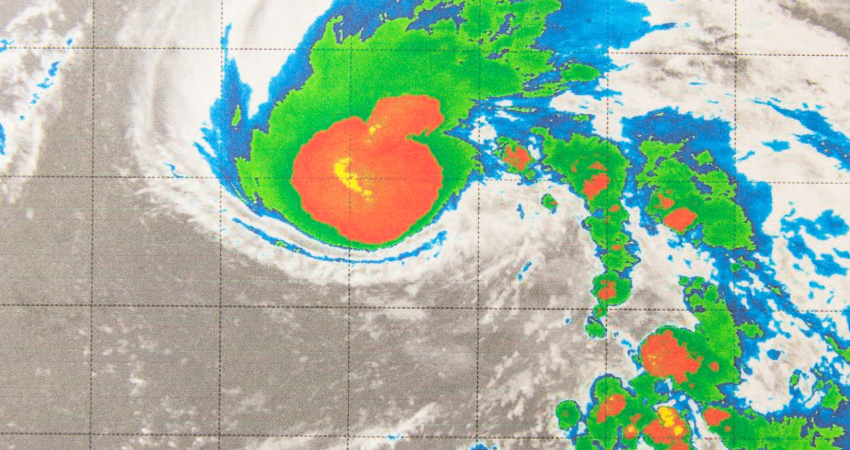
Tropical storm