
Grogue is the national drink of Cape Verde. It is rum distilled from sugar cane with an alcohol rate of 40%. The smell of the drink reminds of warm banana. Grogue is also called grogu or grogo. The artisanal liquor is associated with the Cape Verdeans and is drunk on several occasions.
In short
- Grogue is Cape Verde’s national alcoholic drink, distilled from sugarcane.
- It contains around 40% alcohol and has a warm, fruity aroma.
- Grogue is traditionally produced and deeply rooted in Cape Verdean culture.
- Most grogue comes from Santo Antão, with variations across the islands.
- There are white (unaged) and brown (aged) types of grogue.
The gold of Cape Verde

Grogue Cape Verde
Immediately after the discovery of Cape Verde (1462) grogue was produced and consumed by the Portuguese. In 1740 grogue was introduced in Europe by the British Navy Admiral Vernon. In the first centuries liquor from cane sugar was prohibited. It was thought that this was not good for your health. After a period of mostly illegal and underground production of grogue, production was legalized in 1900.
The tradition of making and consuming rum is deeply rooted in the Cape Verdean culture. Figuratively the drink is full of passion and tradition. During the production process they made much music and do a lot of singing about family, love and beautiful things of life. It’s mostly farmers who produce the Groque. Self production of liquor is also known as moonshine. The liquor production takes place mainly in the mountainous islands of the Cape Verde archipelago. Most of the Grogue comes from the island of Santo Antão. Over 80% of the sugar cane comes from farmland here. Since Cape Verde’s independence in 1975, the government has encouraged agriculture through various subsidies and investments. To increase production, refined sugar was also imported and subsidised. Refined sugar is sugar that has been purified in a factory and therefore does not come freshly pressed from any of the Cape Verdean islands. The use of refined sugars slightly reduced the quality of Grogue. It also had an impact on local farmers who depend on growing the sugar cane. Since 2018, the Cape Verdean government has changed the legislation and various rules are in place to ensure the quality of production. The use of refined sugar has also been banned. Grogue producers now formally need a licence from the government.
If you are offered a glass of Grogue in Cape Verde, it is not very polite to refuse. Of course Grogue is also mixed with other drinks or ingredients like lime and cinnamon to soften the taste. Delicious to drink at a setting sun.
Types of Grogue
There are several types of Grogue in the Cape Verde Islands, which can be generally distinguished by colour into the white Grogue and the brown Grogue. The white Grogue is bright in colour (translucent) and is the unripened variety. The white Grogue is strong and has a sharp taste due to its high alcohol content. In contrast, the brown Grogue is very refined in flavour. Brown Grogue is aged in wooden barrels. This creates its brown colour and gives it a lot of flavour. Each Cape Verdean island has its own traditions and methods for producing Grogue, so there are differences in flavour per region.
There are some well-known regions where Grogue is produced. First, on the island of Santo Antão where most Grogue comes from. Santo Antão’s Grogue is of high quality. The flavour of Grogue is rich and complex and can be either white or brown. The island of Santiago also produces a lot of Grogue. Grogue from Santiago is both white and brown, is quite strong and generally has a sharp taste. Grogue from the island of Fogo has a mild taste compared to the other islands. This Grogue is mostly brown and is known for its high quality. On São Vicente, mostly white Grogue is produced with a sharp taste. And on the island of São Nicolau, they produce both white and brown Grogue where the flavour varies depending on the production and maturation process.
How is Grogue made?
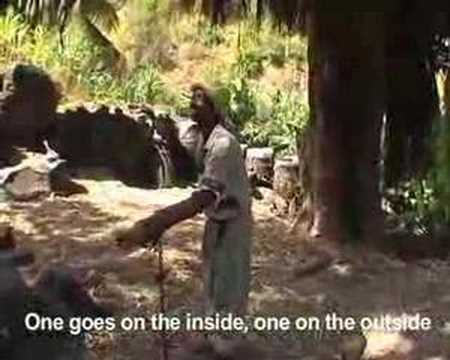
Grogue is traditionally made from sugar cane juice. In the following video (English subtitles) farmer and distiller of Grogue Budinho explains how the process looks like. In short, this works as follows. If the sugar (white or brown) will flourish it is cut. The sugar cane stalks are pressed and the residue is molasses. This is the syrupy product from the production of sugar cane. The molasses is diluted with water in order to let it then ferment. After heating ultimately alcohol can be distilled from it. Of every 200 liters of thickened molasses distillery can produce up to 30 liters of quality Grogue.
How best to drink Grogue?
The way you best drink Grogue depends on your personal taste and preference. Some people prefer to dilute Grogue with a little water to reduce the sharpness, making the taste slightly softer. Another option is to drink Grogue with ice, which can be refreshing on hot days. The ice can cool and dilute the Grogue while you enjoy it. Grogue can also be used in cocktails, such as the Grogue Sour and the Grogue Punch. These cocktails combine Grogue with other ingredients such as lemon juice, sugar and fruit to create a refreshing and flavourful mix.
Price Grogue
Quality Grogue can be found among others in the supermarket or at the local corner shop. The Grogue is bottled and labeled. In most restaurants and bars you can of course order a glass of Grogue. If you want to buy a bottle of Grogue of good quality in the store, the price is around 9 euro per liter. Cheaper grogue easily cost 6-7 euro per 750ml. Do you have an empty bottle with you? You can got to a wholesalestore or simply let the farmer fill a five-liter bottle for only about 4 euro per liter. Keep in mind that Grogue is a strong drink, so drink responsibly and respect local customs and laws.